|
Computer Networking |
|
The protection of the State Fuel Tax in Detroit, MI USA to support the disabled needs your vote. |
|
|
|
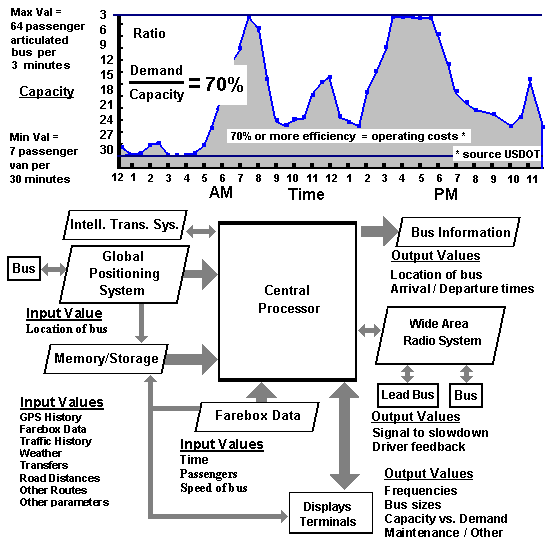
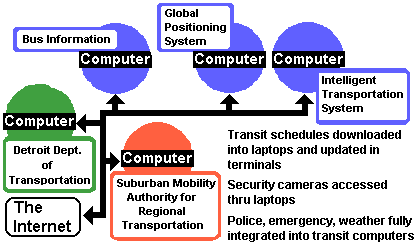
All metro area transit computers linked together by existing and dedicated telephone lines to interact with each other. Internet access links metro Detroit transportation systems to the world. Accidents, road conditions, construction updated in real time. Bus, train, airplane, private industry, the people mover schedules all linked together. GPS moving buses displayed on screens provide more efficient use of time. Handheld computers by bus riders provides information on arrivals.
|
|
What do smart buses do? |
What does that mean for you? |
|
|
|
|
|
|
|
|
|
Multiple tax mechanisms were proposed to support SMART and mass transit. 24 hour 7 day State funded SMART bus service did not make the list of transportation improvement projects (TIP) from the Southeast Michigan Council of Governments (SEMCOG) to provide the city of Detroit and nearby suburbs with more industry investments and job growth. Instead property taxes replaced state funding which resulted in the Livonia public bus reductions. These plans were submitted to SEMCOG and demonstrated to work in June 2003.
|